

Choosing the Right Care: What Families Should Know About Assisted Living
At our August 12 meeting, we welcomed Scott Tollackson, whose profession focuses on Medicaid fraud and the abuse and neglect of vulnerable adults. Scott is also the husband of our own Megan Tollackson, immediate past president of the Kiwanis Club of Coeur d’Alene.
Drawing both on his professional experience and his family’s recent experience finding appropriate care for his aging parents, Scott offered practical advice for anyone facing the difficult task of choosing an assisted living or other long-term care facility for a loved one.
Start by Understanding the Level of Care Needed
Before beginning the search for a facility, Scott recommended getting a clear assessment of the individual’s physical and cognitive needs. He discussed the use of a geriatric cognitive assessment test (GCAT) to help determine the type and level of care that may be appropriate. Understanding those needs first can make the search for the right facility much more focused and effective.
What to Look for When Visiting a Facility
Scott encouraged families to pay close attention to what they see, hear and even smell when touring a prospective facility. Among his suggestions:
- Notice the smell. Persistent unpleasant odors can be an indication of inadequate cleaning, maintenance or resident care.
- Look closely at cleanliness. Check frequently touched surfaces such as doorknobs, handrails and countertops.
- Try the food. If possible, sit down and eat a typical meal with the residents. Food quality becomes especially important when someone will be eating three meals a day there.
- Listen to the facility. Is there conversation and activity, or does the facility seem unusually quiet? Do the residents sound comfortable and engaged?
- Look for the residents. Are they out of their rooms, interacting with one another and participating in activities, or are most of them isolated?
- Watch the staff. Are staff members visible, attentive and engaged with residents?
- Talk privately with residents. Residents themselves can be an excellent source of information. Scott noted that if a facility discourages visitors from speaking with residents without a staff member present, that should be considered a red flag.
Scott also recommended looking carefully at who owns and operates the facility. An independently owned facility with involved ownership can be a positive sign. Corporate, LLC and private-equity ownership does not automatically mean a facility provides poor care—many are reputable—but Scott advised families to do additional homework and understand who ultimately controls the operation and its financial priorities.
He recommended checking information available through Residential Care Services (RCS) and other government resources that provide information about licensed care facilities, including inspection findings, complaints and enforcement actions.
Once a Loved One Moves In
Choosing a facility is not the end of the family’s involvement. Scott strongly encouraged family members to visit often and to develop relationships with the people providing day-to-day care.
He suggested talking regularly with staff members and treating them as partners in the care of your loved one. Being present, engaged and friendly with caregivers not only helps families understand what is happening but also makes it easier to recognize changes or potential problems early.
Fraud, Abuse and Neglect
Scott had planned to spend more time discussing fraud and abuse, but—as often happens with an interesting Kiwanis speaker—he ran out of time!
This area is a major focus of his professional work. His investigations can involve health-care providers including dentists and hospitals, Medicaid-related fraud, and allegations of abuse or neglect involving vulnerable adults. His work helps protect both public health-care programs and the people who depend upon them.
Scott also provided members with a handout containing resources and contact information for reporting suspected Medicaid fraud, abuse and neglect.
Thank you to Scott for sharing both his professional expertise and his family’s personal experience with our club. His presentation offered valuable guidance on a decision that many families will eventually face: finding a safe, caring and appropriate environment for someone they love.
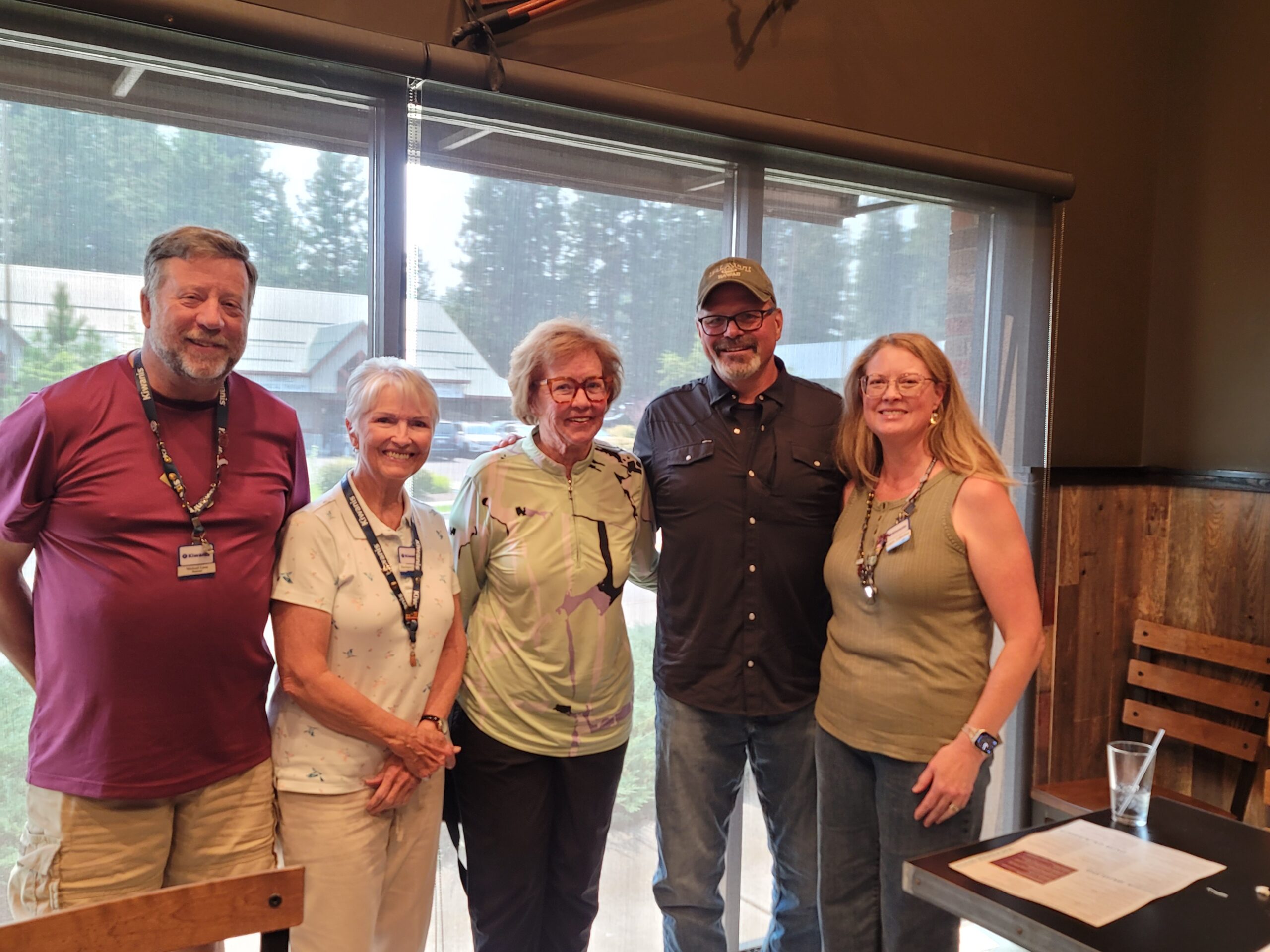
Photograph: (left to right) Mike Lane, Barbara Livers, Barbara Pearse, Scott Tollackson, Megan Tollackson




Excellent information! Thank you for sharing.